
The Emotion-Sensing Tech and Its Surprising Role in Jewelry Curation
The merging of fashion and emotion-sensing technology is rapidly becoming one of the most exciting advancements in personalized retail. Wearable devices such as smartwatches and fitness trackers have been measuring physiological indicators such as heart rate, sleep, and steps for years; now, advances in monitoring technology are building a vast emotional surveillance frontier. And one unlikely business that has been making it work is jewelry.
Emotion-sensing tech relies on biometric and behavioral inputs like facial micro-expressions, voice patterns, skin conductivity, heart rate variability to assess a user’s emotional state in real time. Embedded in smartphones, wearables or dedicated sensors, this data is being relied upon more and more to suggest content, change the environment (say, with pulses of lighting or blasts of music) and now, shape shopping.
In fashion, recommendations that are powered by emotion could soon replace static filters such as “color” or “price.” Instead, they are prompted to shop by mood: laid-back, confident, romantic, bold. Jewelry brands are taking advantage of this trend by curating pieces that resonate with how their customers feel or want to feel right now. If someone is identified as anxious, he or she may see calming minimalist designs, while someone whose biometrics reveal joy could be shown bold, statement pieces.
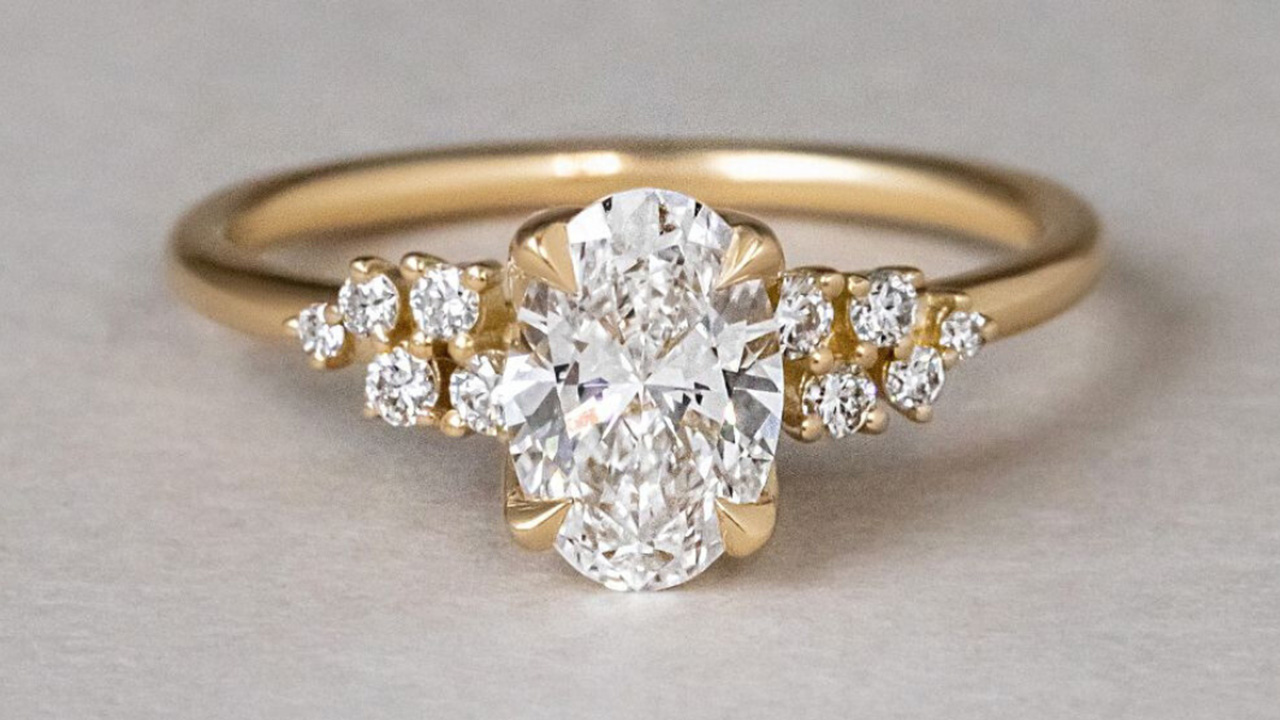
This layer of emotional intelligence has brought a new dimension to the online shopping experience. No one wants to scroll through an endless feed of rings or necklaces; instead, shoppers are increasingly attracted to thoughtful, responsive recommendations. For example, platforms with emotion-detecting technology could encourage users to shop elegant cluster designs when they primarily feel festive or romantic
At its core, the move toward new voices has to do something more than novelty; namely, to boost engagement and lessen decision fatigue. Retailers know that emotion is what really makes us buy. Brands are able to personalise the path to conversion by matching emotional data with product aesthetics. Some startups are embedding mood-sensing components into smart mirror or AR try-on interfaces, enabling users to get live suggestions while virtually trying on jewelry.
Artificial intelligence on the backend and in other places is the key to making these connections. Machine learning algorithms process emotional inputs and match them with user behavior, mainly what people clicked on, added to a wish list or eventually bought to hone future recommendations. Over time, it creates a feedback loop that not only knows what users favor, but when and why they’re most likely to tap into certain styles.
Then there’s the matter of privacy, of course. Emotion-driven systems process both sensitive biometric and psychological data. Conscientious brands are taking steps to assure that their customer data is handled according to data protection laws and that the data collection and usage processes are transparent. In some cases for consumers, opting into these features involves clear disclosures and the ability to control what gets shared.
The future of emotion-based recommendations won’t stop at luxury, but will translate to mass retail. Jewellery, because of its emotive nature and sentiment value is even better placed to profit. Whether it is a digital stylist recommending a mood-boosting pendant, or an app suggesting a confidence-boosting ring the morning of a big meeting, emotion-based curation is transforming jewelry from being merely decorative to deeply instinctive.
As technology proceeds to decode the human experience, the retail domain will growingly reflect not just who we are, but how we feel. And for the buyers, that may mean less browsing, more connection and finding the perfect piece at exactly the perfect moment.